Most sauna shorts are plastic
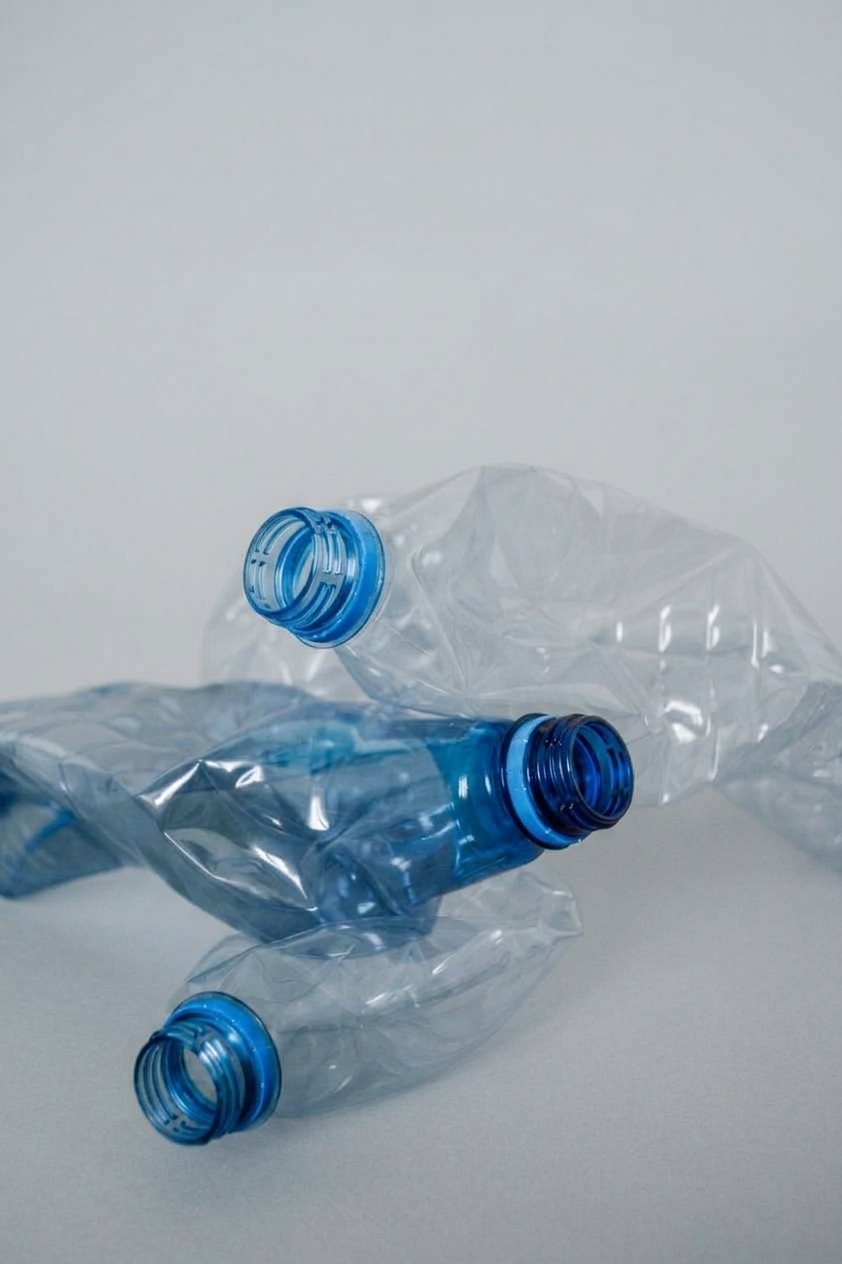
Polyester is PET, the same family as a drinks bottle. Nylon and spandex are plastics too. Most swim and gym shorts are a thin plastic weave, made to dry quickly in a pool or on a run.
That's fine for a pool. A sauna is a different job. In a hot room, wet synthetic fabric clings to you and stops air moving across your skin. It feels clammy, it sticks, and it holds the heat in.

What is lyocell?
Lyocell is a fibre made from wood pulp. The pulp comes from trees, so it starts as a plant, where polyester and nylon start as oil. It gets dissolved and spun into fine fibres, which are then knitted into fabric.
Tencel is the brand name Lenzing gives to its lyocell. It isn't a natural fibre like cotton, because the wood has to be processed first. That's why I call it plant based, not natural. It's soft, and it's the layer against your skin.
What I chose instead
Organic cotton
The shell is organic cotton waffle knit. It's a natural fibre, and the waffle structure holds the fabric away from itself so air can move.
Tencel lyocell
The liner is 92% Tencel lyocell. It's plant based, soft, and it's the layer that sits against your skin.
8% spandex
The liner also has 8% spandex so it stretches and keeps its shape. That means the liner isn't plastic free and I won't say it is. There is no spandex around the pouch.
No metal
No zips, rivets or metal eyelets. Metal gets hot in a sauna, and I'd rather it wasn't anywhere near skin.
Certificates
I'm not publishing certificate numbers for the fabrics yet. I will once my bulk order is made, and they'll go on this page.